
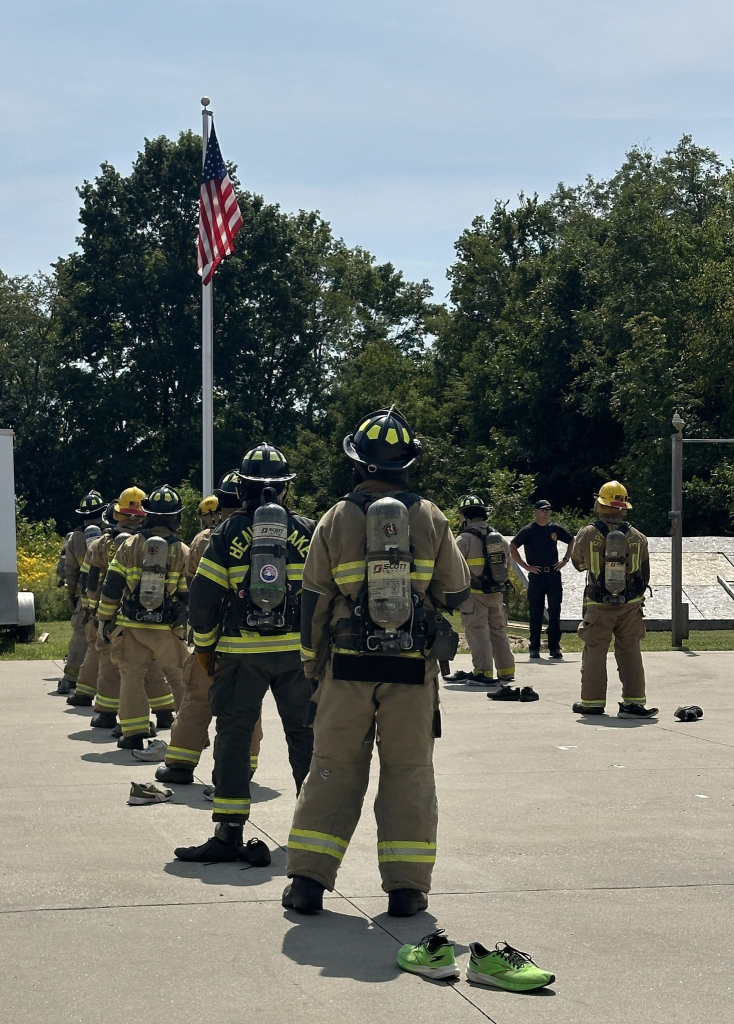
Our Beginning
Arkansas Metro Chiefs’ Association was founded in 1987 by Fire Chiefs Ken Riley (Rogers), Dan White (Springdale), and Mickey Jackson (Fayetteville) to strengthen and regionalize emergency response efforts in Northwest Arkansas. Since then, the organization has grown statewide and now operates as a 501(c)(3) non-profit supporting Fire and EMS agencies across Arkansas.
The Association works to improve public safety through collaboration, training, preparedness, and coordinated all-hazards response. Efforts include supporting regional operations in Benton, Washington, Madison, Crawford, Carroll, Sebastian Counties and beyond, as well as developing and managing technical rescue capabilities.
The Arkansas Metro Chiefs’ Association is organized into several divisions; all working together to serve and protect the citizens and visitors of Arkansas.
Fire departments across Arkansas are invited to become part of the Arkansas Metro Chiefs’ Association. To get started, simply contact any current member fire department—they can guide you through the membership process and help answer questions about participation, requirements, and upcoming meetings.
Once your department joins, your personnel can take an active role in one or more of our operational divisions. Members are encouraged to serve where their skills and interests align, contributing to the strength of our statewide network. Divisions include:
- Chiefs Division – Leadership collaboration, strategy, and regional coordination.
- Training Officers Division – Shared training programs, curriculum development, and joint exercises.
- Operations Officers Division – Standardized operations, incident coordination, and resource management.
- Fire Marshals Division – Inspection, investigation, code enforcement, and prevention initiatives.
- EMS Committee – Medical oversight, protocol alignment, and prehospital care coordination.
- Memorial Team – Honoring and supporting the families and departments of fallen firefighters.
By joining the Association, your department becomes part of a unified effort to enhance public safety, strengthen emergency response capabilities, and support fire and EMS professionals across the state.


